September 10, 2026
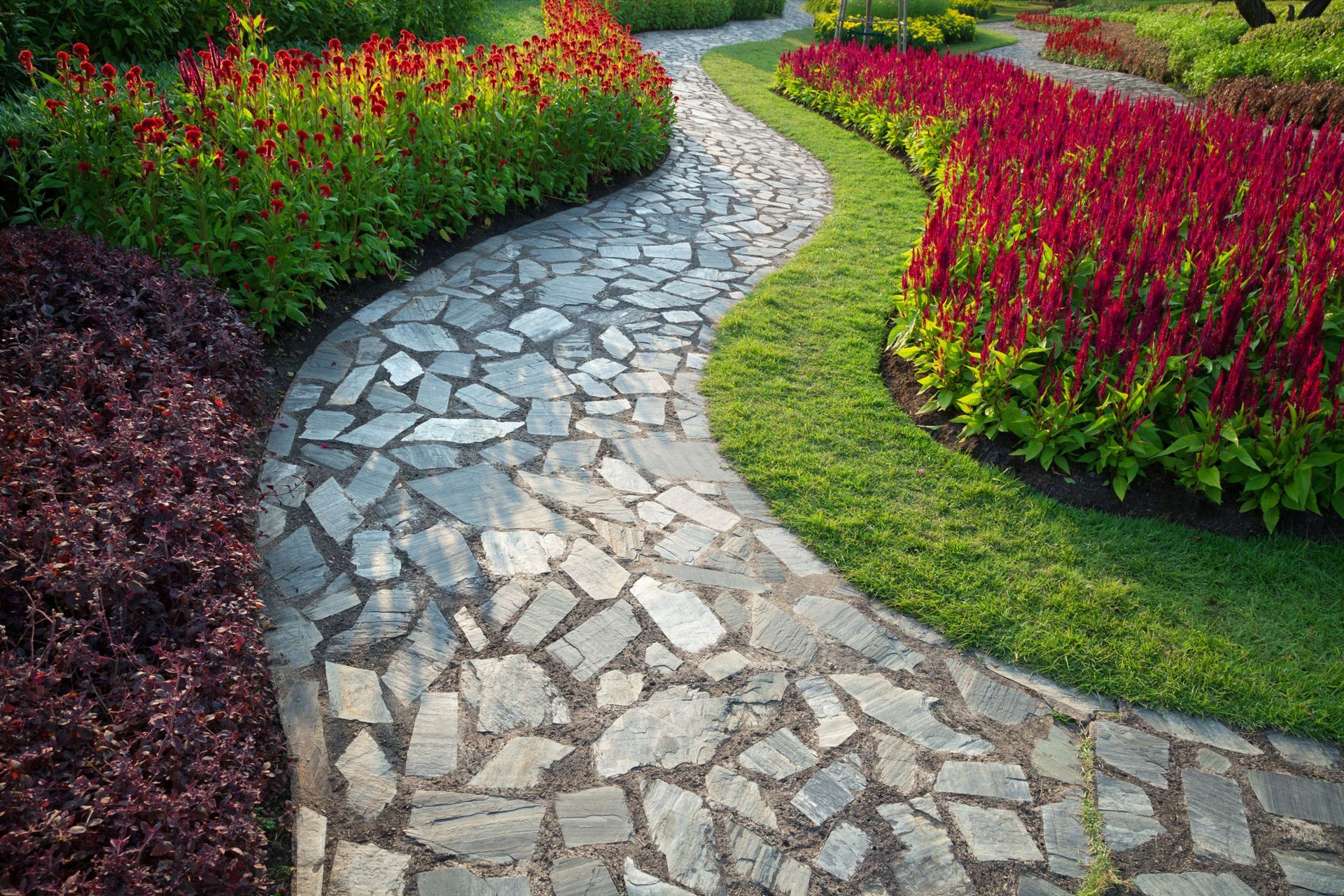
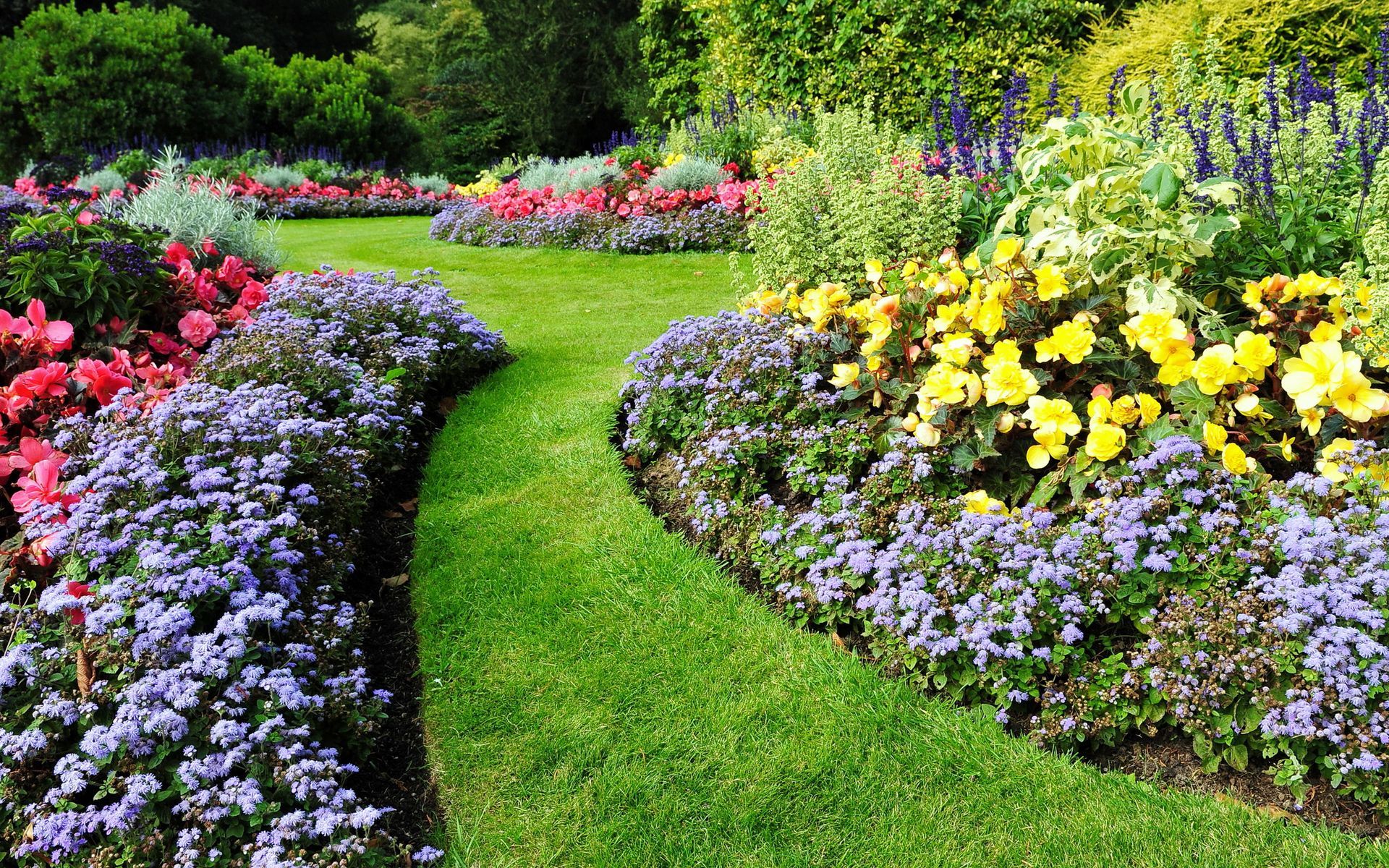
In the world of home improvement, hardscaping has emerged as a pivotal element in the transformation of outdoor living spaces. By integrating solid, non-plant elements into garden and backyard designs, homeowners can create stunning and functional environments. The role of hardscaping extends beyond mere aesthetics; it lays the foundation for sustainable and practical outdoor areas. In this article, we will delve into essential hardscaping shifts that are crucial in enhancing outdoor spaces, ensuring they meet both modern tastes and environmental standards.
Embrace Sustainable Hardscaping Materials
As environmental awareness continues to grow, the hardscaping industry is increasingly prioritizing the use of sustainable materials. These materials, which include locally-sourced stones, recycled wood, and eco-friendly composite products, not only reduce the carbon footprint but also harmonize with the natural environment. Sustainability in hardscaping is not merely a trend but a necessary evolution in response to the global environmental crisis. The integration of these materials speaks to a growing commitment to conservation and longevity in outdoor designs.
The shift towards eco-friendly hardscaping also involves the use of permeable materials that support natural water drainage and mitigate the heat island effect. Landscape architects are now designing spaces that are not only beautiful but also promote biodiversity by using natural materials that support local species. With these practices, hardscaping has become a vital component in creating ecologically balanced outdoor living spaces. By choosing sustainable resources, homeowners contribute to a reduction in environmental impact while elevating the aesthetic appeal of their property.
About 68% of homebuyers consider poor curb appeal and bad landscaping a significant turn-off, according to American Home Shield. This statistic underscores the importance of adopting sustainable hardscaping materials as part of an attractive, marketable property. In the long run, this approach is not only beneficial for the environment but also enhances property value and curb appeal. As more homeowners recognize the benefits of eco-conscious hardscaping, this trend is poised to shape the future of outdoor living spaces significantly.
Integrate Smart Technology Into Outdoor Spaces
The incorporation of smart technology in hardscaping represents a progressive trend that merges convenience with innovative design. Elements such as automated irrigation systems, weather-based lighting controls, and integrated sound systems exemplify how technology enhances modern outdoor spaces. These smart innovations allow for the seamless management of outdoor environments, ensuring efficiency and sustainability. By utilizing technology, homeowners can create a customized and responsive outdoor living area that caters to individual preferences and conditions.
For instance, smart irrigation systems use weather data and soil moisture sensors to water plants at optimal times, promoting water conservation without compromising plant health. Lighting systems that adjust brightness based on time of day or activity enable energy savings while enhancing security and ambiance. Additionally, technology-driven hardscaping solutions provide personalization, with systems that can be controlled remotely through mobile apps or voice-activated devices. This integration signifies a shift towards more interactive and adaptable outdoor spaces.
Smart technology in hardscaping is not just a luxury but an intelligent investment in the functionality and sustainability of outdoor areas. As the trend gains traction, more innovative solutions are likely to emerge, further blurring the lines between innovative technology and traditional landscaping. By embracing these advancements, homeowners can enjoy increased control and a more engaging outdoor experience. The future of hardscaping is undoubtedly interwoven with the continuous development of technology, creating spaces that are as intelligent as they are attractive.
Adopt Minimalistic Hardscaping Designs
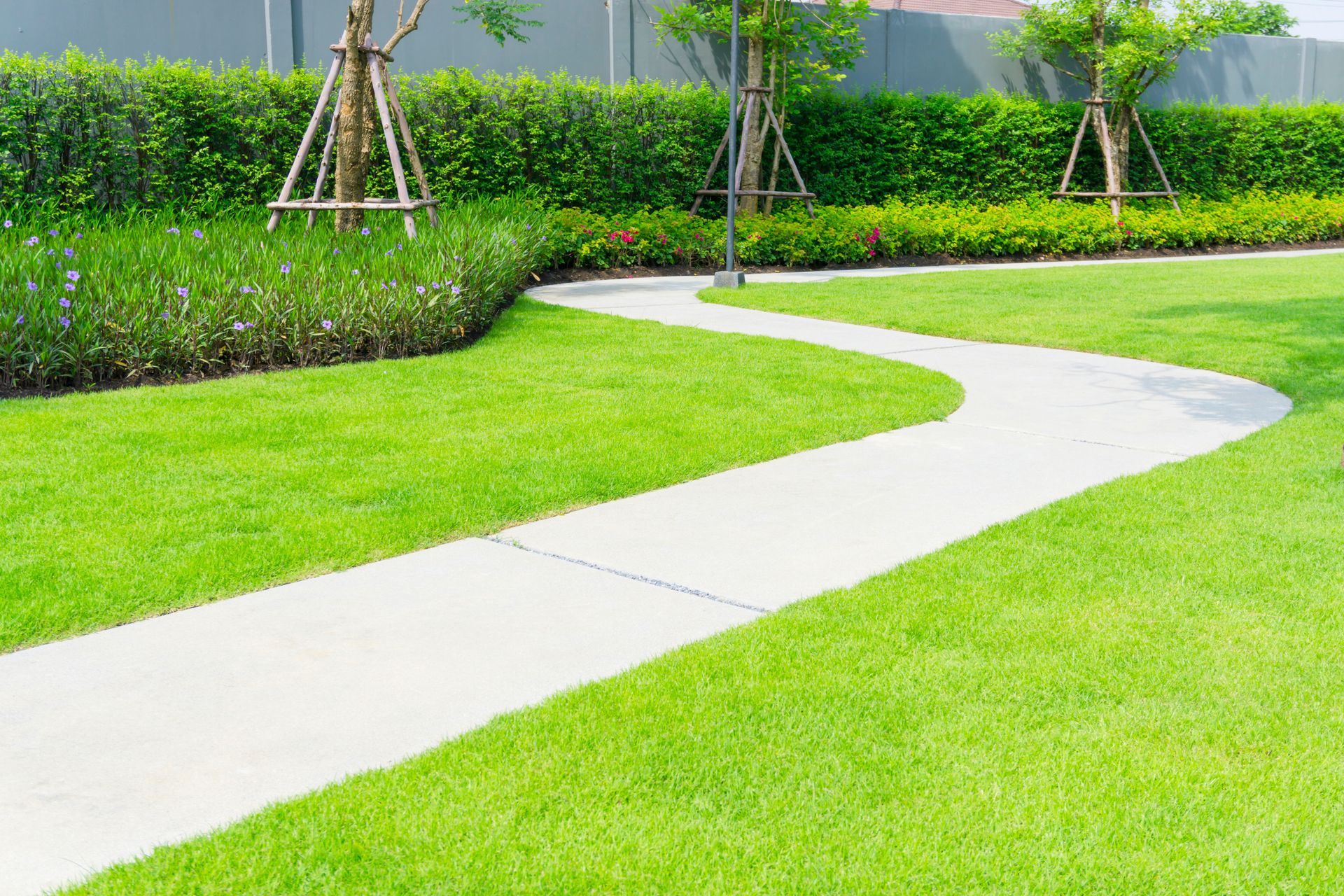
The rise of minimalistic design in hardscaping reflects a desire for simplicity and elegance in outdoor settings. This aesthetic trend focuses on clean lines, subtle colors, and understated features, creating serene environments. By eliminating clutter and focusing on the essentials, minimalistic hardscaping promotes a sense of calm and order. This approach fosters a connection between indoor and outdoor spaces, blending them into a cohesive living area.
One of the significant benefits of minimalistic hardscaping is its ability to create the illusion of larger, more open spaces. Strategic use of materials like concrete, stainless steel, and glass can enhance geometric designs that define areas without overwhelming them. The minimalist approach also emphasizes the importance of open spaces and negative spaces, which can be used to highlight specific features or create pathways that guide visitors through the landscape. By employing minimalist principles, homeowners can achieve a sophisticated architectural statement with timeless appeal.
The minimalist trend challenges traditional notions of outdoor design by suggesting that less is indeed more. This perspective resonates with modern sensibilities that value quality over quantity and sustainability over excess. As such, minimalistic hardscaping encourages thoughtful design and the selection of materials that contribute to the overall aesthetic without overtaking it. The minimalism movement is a powerful reminder that simplicity can lead to compelling and enduring beauty in outdoor living spaces.
Create Multi-Functional Outdoor Areas
Modern hardscaping increasingly focuses on creating multi-functional outdoor areas that accommodate various activities and needs. This trend reflects the desire for versatility and adaptability in spaces, allowing homeowners to maximize the use of their properties. Multifunctional spaces are designed to serve as gathering areas, cooking spaces, relaxation zones, or interactive play areas for children, all within a cohesive design. Such designs encourage creativity and enable the seamless transition between multiple uses.
Designing a dynamic space requires careful planning and an understanding of the homeowner's lifestyle and preferences. The integration of elements such as fire pits, outdoor kitchens, and flexible seating arrangements transforms a simple backyard into a vibrant social hub. Features such as retractable shades, movable partitions, and modular furniture enable spaces to evolve and adapt to changing needs throughout the year. By prioritizing flexibility, multi-functional hardscaping designs make outdoor spaces more engaging and valuable.
Implementing multi-functional hardscaping includes considering features that provide both aesthetic and practical benefits. The ability to adapt spaces for different uses enhances the overall enjoyment and usability of the property. As homeowners continue to seek creative ways to expand their living spaces outdoors, the appeal of multi-functional designs will undoubtedly grow. Hardscaping that accommodates various functions reflects the modern desire for spaces that seamlessly integrate leisure, entertainment, and practical use.
Incorporate Water Features Into Hardscapes
Water features have gained prominence as a focal point in hardscaping designs, adding both aesthetic and sensory dimensions to outdoor spaces. The soothing sounds of flowing water and the visual appeal of ponds, fountains, and waterfalls contribute to a serene and peaceful ambiance. These elements not only enhance the beauty of a landscape but also offer a cooling effect and a sense of tranquility. The addition of water features is a strategic move to create a striking balance between hard structures and natural elements.
Water features are increasingly being used to create dynamic and interactive environments. Designs range from elegant infinity pools to playful fountains or koi ponds that foster biodiversity. The versatility of water features allows them to be tailored to fit various styles, whether traditional or contemporary, ensuring they complement the overall hardscape design. By integrating water elements, homeowners can create a captivating centerpiece that draws the eye and invites engagement.
The transformative power of hardscaping lies in its ability to merge functionality with stunning visual appeal. By embracing shifts such as sustainable materials, smart technology integration, minimalistic designs, multi-functional spaces, and water features, homeowners can significantly enhance their outdoor living environments. These trends reflect a movement towards more sustainable, adaptable, and aesthetically pleasing outdoor spaces. Embracing these innovative hardscaping practices is essential for creating a living area that is not only beautiful but also in harmony with the environment. Reach out to Peddicord's Lawn & Landscaping LLC to learn more about our services today.