June 11, 2026
Crafting a remarkable outdoor environment requires a balance of artistry, botanical knowledge, and architectural precision. Many homeowners embark on property improvements with grand visions, only to find that unforeseen errors can quickly compromise the beauty and utility of their yards. Avoiding common pitfalls ensures that your external spaces remain vibrant, manageable, and visually cohesive throughout the year. A thoughtful approach to managing your property with professional landscape design prevents unnecessary expenses and ensures that every tree, shrub, and stone serves a clear purpose.
When executing property upgrades, understanding the broader industry trends can provide valuable perspective on the value of professional standards. According to the National Association of Landscape Professionals, the U.S. landscaping services industry reached a market size of $188.8 billion in 2025, which was a 4.8% increase from 2024, indicating that there's clearly a significant demand for high-quality outdoor improvements. This growth highlights how much emphasis modern property owners place on cultivating functional, elegant external environments.
1. Ignoring Climate and Soil Conditions
A primary misstep in the development of outdoor areas is disregarding the specific regional climate and foundational soil characteristics of the property. It is common to select vegetation based purely on aesthetic appeal or temporary displays at a local nursery, without investigating whether those species can survive local weather extremes. Soil quality determines nutrient delivery, aeration, and moisture retention, which means that placing a plant in incompatible earth will inevitably lead to decline.
Furthermore, every yard possesses distinct microclimates created by the positioning of structures, fences, and existing mature trees. A single property can feature areas of intense, direct sunlight right alongside deeply shaded, damp corners that rarely experience a breeze. Failing to map these zones leads to misplacements, such as positioning shade-loving ferns in exposed, sun-drenched zones or placing sun-loving succulents under a dense tree canopy. Wind patterns and seasonal precipitation must also be analyzed, as poor placement can expose sensitive species to destructive drafts or cause soil erosion during heavy downpours.
2. Planning the Entire Space Meticulously
Commencing property modifications without a comprehensive master blueprint often results in a disjointed and chaotic final appearance. A lack of structural foresight leads to projects being completed in an uncoordinated manner, where individual elements conflict with one another rather than forming a harmonious whole. Establishing a detailed layout from the beginning allows property owners to allocate resources efficiently and understand how different zones will interact. This systematic approach establishes clear priorities, ensuring that foundational grading and infrastructure are completed before any delicate features are installed.
A comprehensive blueprint also necessitates a thorough review of municipal regulations, building codes, and neighborhood association guidelines before breaking ground. Neglecting this research can lead to costly fines or the mandatory removal of newly installed features that violate local boundary lines or height restrictions. Furthermore, a proper strategy outlines a realistic timeline that can be executed in logical phases, preventing the property from becoming an unusable construction site for an extended period. Defining how different areas will be utilized ensures that walking paths, entertainment zones, and open lawns complement the lifestyle of the residents.
3. Managing Potential Plant Overgrowth
Failing to research the ultimate mature height and width of selected vegetation is a frequent oversight that can jeopardize your landscape design. Small shrubs and saplings look harmless when first positioned, but within a few years, they can expand dramatically, crowding out adjacent species and blocking windows. This lack of spatial awareness creates dense jungles where plants compete fiercely for limited sunlight, underground nutrients, and moisture, leading to widespread disease. Spacing out vegetation according to its full adult dimensions ensures that each specimen receives adequate airflow and room to flourish.
Choosing species that match the long-term maintenance capacity of the property is equally critical for sustaining a polished appearance. Fast-growing, aggressive varieties often require constant pruning to prevent them from overtaking walkways or suffocating slower-growing companions. Incorporating native species minimizes these maintenance demands, as these plants have naturally adapted to the local ecosystem and require less intervention to remain healthy.
4. Organizing Efficient Water Systems
Water management is a foundational element of landscape design that dictates the longevity and health of any exterior environment. Improperly configured watering systems often deliver uniform amounts of moisture across an entire property, completely ignoring the fact that different species have distinct hydration needs. This results in some zones being completely parched while others become swampy, which wastes valuable natural resources and endangers plant health. Designing specialized irrigation zones ensures that moisture is delivered precisely where it is needed, maximizing efficiency and promoting robust root development.
Inadequate drainage planning can lead to catastrophic structural issues, including basement dampness, soil erosion, and pooled water that attracts unwanted pests. Diverting excess stormwater away from foundations and high-traffic areas requires strategic grading, or the inclusion of specialized drainage channels like dry creek beds and underground pipes. Utilizing drought-tolerant options in naturally dry areas reduces reliance on artificial watering while enhancing the resilience of the property during hot summer months.
5. Integrating Balanced Hardscape Elements
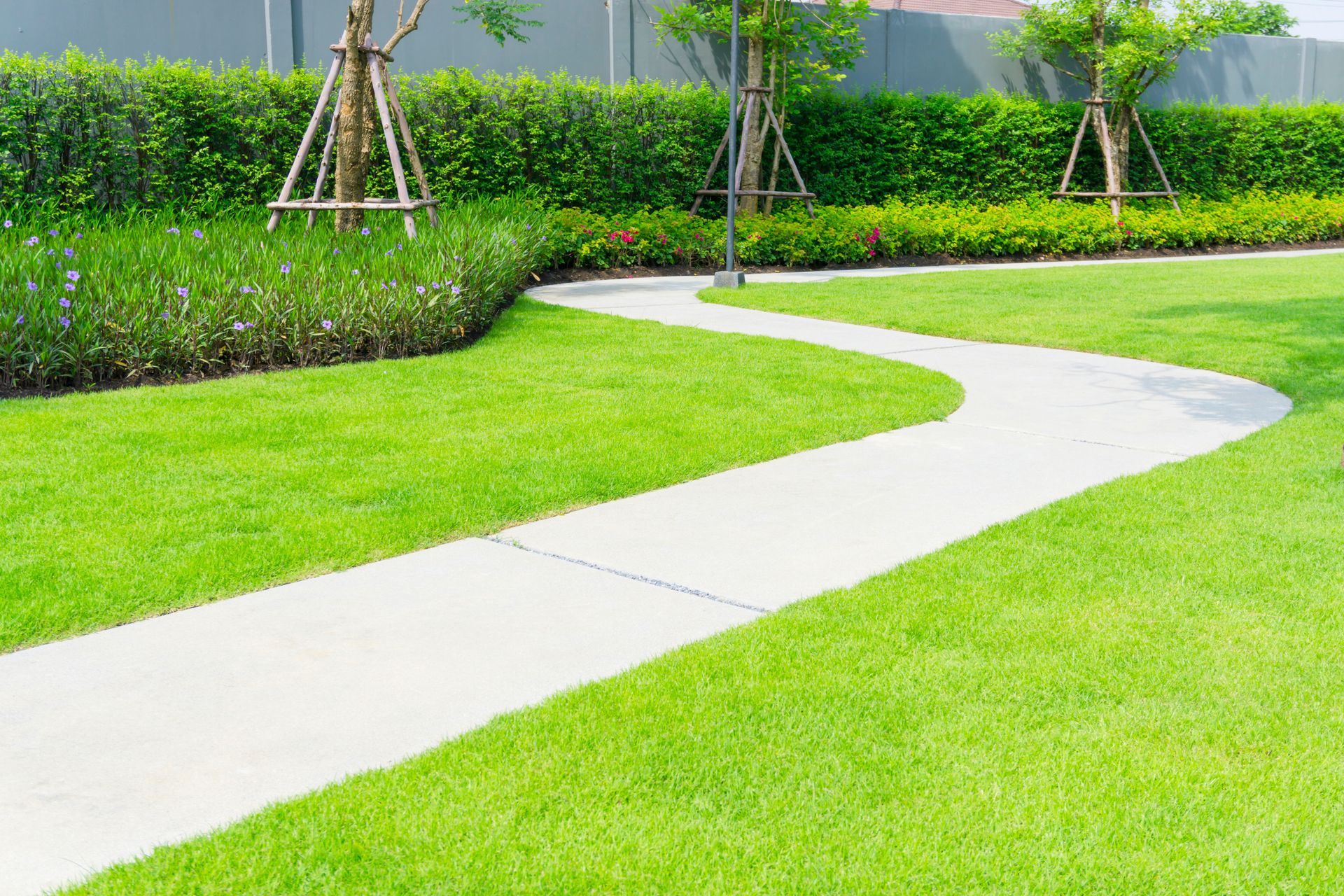
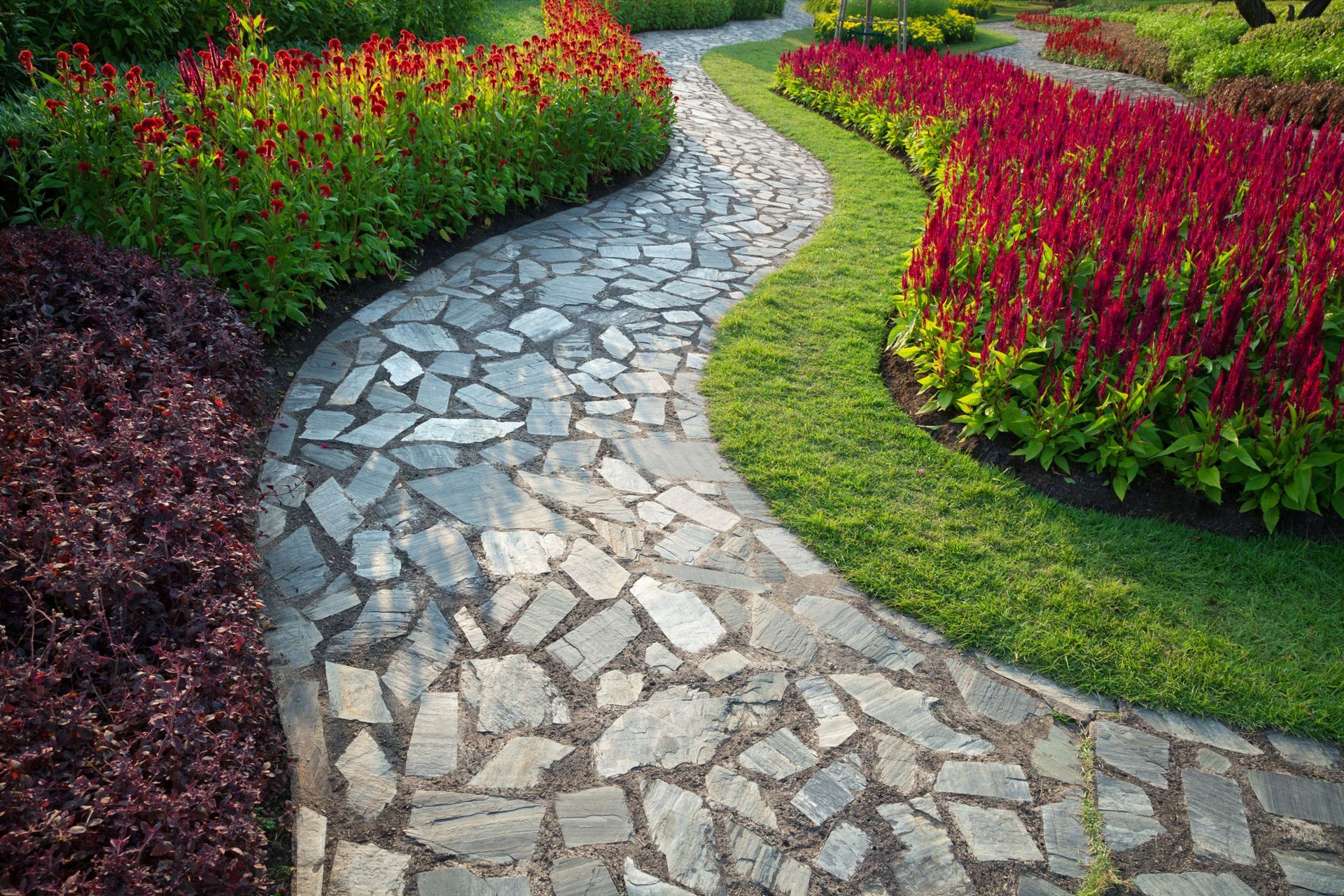
Hardscape components provide the necessary structural framework that defines and organizes exterior spaces, acting as a visual anchor for the surrounding foliage. Omitting these solid structures or using inferior materials can result in a soft, unstructured yard that lacks functional definition and clear boundaries. Patios, retaining walls, and walkways must be constructed from durable, high-quality materials capable of enduring shifting ground temperatures and heavy foot traffic. When stone and wood elements are integrated thoughtfully, they create a beautiful contrast with the soft textures of the surrounding lawns and gardens.
The scale and proportion of these permanent features must be calculated carefully to ensure they do not overwhelm or underwhelm the overall composition. Paths that are too narrow feel restrictive and uninviting, while an oversized stone patio can make a medium-sized yard feel sterile and devoid of life. Achieving a proper balance involves aligning the straight lines of architectural features with the organic, flowing curves of garden beds to guide movement naturally.
6. Anticipating Dynamic Seasonal Transformations
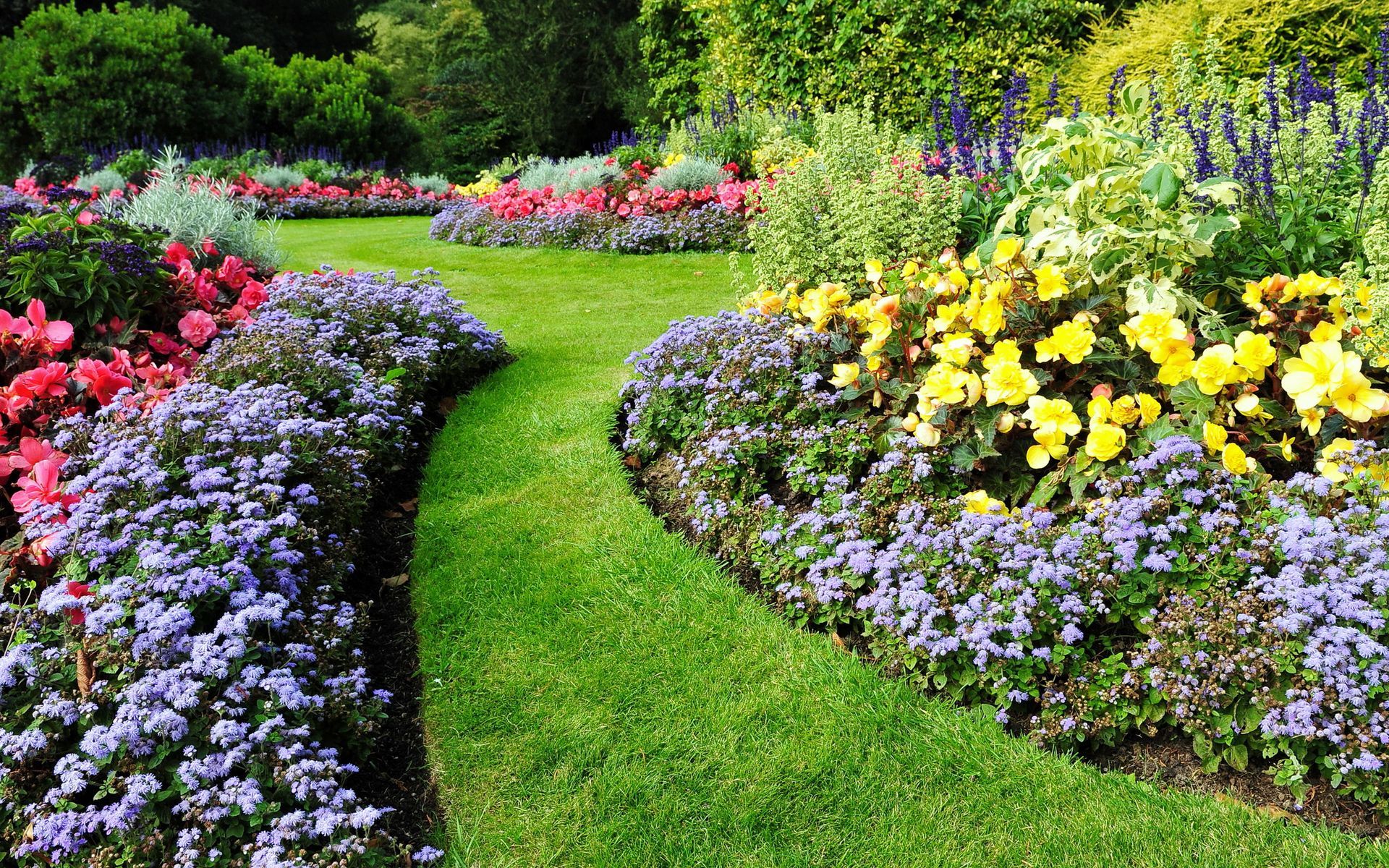
A truly successful property design retains its visual appeal throughout the entire calendar year, rather than shining only during the fleeting spring months. Focusing exclusively on plants that bloom simultaneously leaves the yard looking bare, brown, and uninspiring for the remaining three seasons. A sophisticated landscape design incorporates a diverse mix of perennials, deciduous trees, and structural elements that offer changing colors, textures, and silhouettes as the months progress.
Integrating a reliable skeleton of evergreen trees and architectural shrubs ensures that the property maintains its structural shape even after autumn leaves have fallen. These resilient varieties provide necessary color during gray winter months and offer essential shelter for local wildlife. Planning for seasonal transitions also involves selecting foliage that produces vibrant autumn colors, attractive seed pods, or interesting bark textures that stand out against the winter snow.
Avoiding these frequent oversights will transform any standard yard into a resilient, sophisticated retreat that enhances property value and daily enjoyment. True success relies on a thorough understanding of the local environment, proper spatial configuration, and a forward-thinking approach to how living elements will grow and change over time. Investing thought and precision into the foundational layout prevents future structural headaches and minimizes the need for ongoing, frustrating corrections. A well-conceived
landscape design brings harmony to a property, seamlessly blending natural elements with architectural structures.
When you are ready to elevate your exterior environment and ensure a flawless execution, partnering with certified professionals is the most reliable path forward. Expert guidance helps navigate the complexities of soil mechanics, drainage calculations, and botanical selections tailored to your specific goals. Contact Peddicord's Lawn & Landscaping LLC today to collaborate with experienced professionals who can bring your unique outdoor vision to life with precision and distinction.